
This content is for informational and educational purposes only. Always consult a qualified healthcare provider.
Last Updated on April 1, 2026 by Grace Oluchi
Many people assume cholesterol is always harmful, but that’s not true. Your body actually needs cholesterol to function properly. It’s a wax-like substance that helps your body carry out essential tasks every day. The confusion usually comes from not knowing the difference between the good and the bad types.
Your liver produces all the cholesterol you need, but you also get some from foods like meat, dairy, and poultry. What matters is the balance.
📋 Table of Contents
Cholesterol: The Good (HDL)
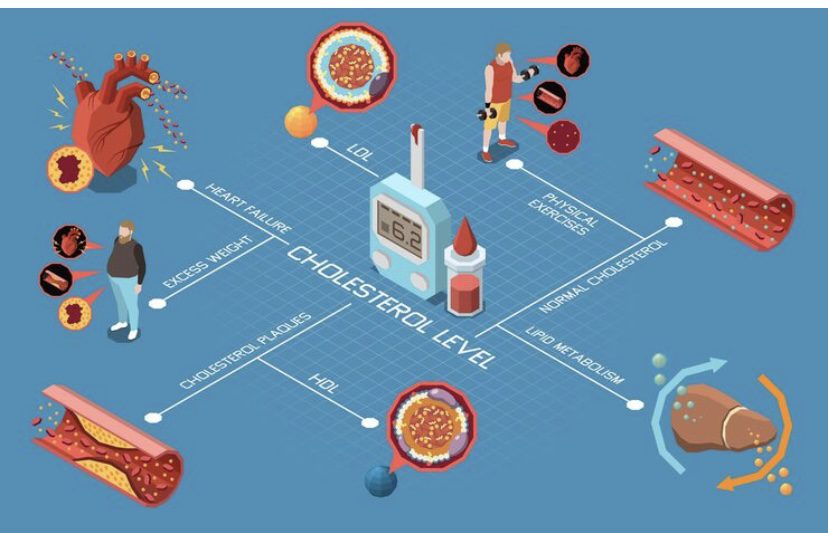
HDL (high-density lipoprotein) is often called good cholesterol because it helps protect your heart.
What it does:
- carries excess cholesterol away from your arteries
- transports it back to your liver so your body can remove it
- supports healthier blood vessels
- helps reduce inflammation
Higher HDL levels are linked to lower risk of heart disease.
Cholesterol: The Bad (LDL)
LDL (low-density lipoprotein) is known as bad cholesterol because it can collect inside your artery walls.
This buildup, called plaque, narrows your arteries and makes it harder for blood to flow.
High LDL levels raise your risk of:
- heart disease
- stroke
- heart attacks
- heart failure
Once plaque builds up, it doesn’t go away easily. That’s why spotting the problem early matters.
What Your Numbers Should Actually Be
This is the part most people don’t know about or are never told clearly. When you get a cholesterol blood test, called a lipid panel, these are the general targets to aim for:
Total cholesterol should be below 200 mg/dL. LDL should ideally be below 100 mg/dL. HDL should be above 60 mg/dL for good heart protection, because the higher it is, the better. Triglycerides, another type of fat measured alongside cholesterol, should be below 150 mg/dL.
If you have existing heart disease or multiple risk factors, your GP may want your LDL below 70 mg/dL. Women generally need higher HDL levels than men to gain the same level of protection. However, these are guidelines, and don’t really finalize things. So, your GP will interpret your results in the context of your full health picture.
Why Cholesterol Is Often Misunderstood
People usually blame cholesterol in food alone, but it’s not that simple. Several things can raise your cholesterol beyond what you eat. Such as
- saturated and trans fats
- eating large amounts of refined carbohydrates and sugar,
- lack of physical activity
- carrying excess weight
- certain medical conditions, and genetics.
Some people inherit a condition called familial hypercholesterolaemia, which causes LDL to stay dangerously high regardless of their diet, and it affects around 1 in 250 people in the UK.
Heart disease is not caused by cholesterol alone either. Blood pressure, chronic inflammation, stress, poor sleep, and overall diet all contribute to it. This is why cholesterol should be seen as one piece of the bigger picture.
Taking Control of Your Cholesterol
When you understand how cholesterol works, it becomes easier to make better health decisions.
Some simple steps include:
- getting regular checkups
- eating meals rich in fiber, lean protein, and healthy fats
- limiting sugary foods and processed snacks
- being active every day
- managing stress
- watching your weight
If lifestyle changes are not enough, your GP may prescribe statins, which are safe, well-evidenced medications that lower LDL effectively. They are not a replacement for healthy habits, but they work best alongside them.
The most important step is knowing your numbers. Ask your GP for a cholesterol check, especially if you are over 40, have a family history of heart disease, or have not been tested in the last five years.
