

TL;DR
Your hair type is determined by its natural curl pattern and texture, divided mainly into straight, wavy, curly, and coily. Each type requires tailored care for optimal health. This guide helps you identify your hair type with science-backed tips and personalized care instructions.
What Does Hair Type Mean?
Hair type describes the shape and structure of your hair strands, influenced primarily by follicle shape and genetics. The hair shaft consists of layers including the cortex and medulla, while the follicle shape controls curl tightness.
According to a 2020 National Institutes of Health article, hair structure and follicle morphology significantly impact hair type. Further a 2017 dermatological study confirmed that the follicle’s symmetry strongly correlates with curl pattern.
How do I identify my hair type?
1. Straight Hair
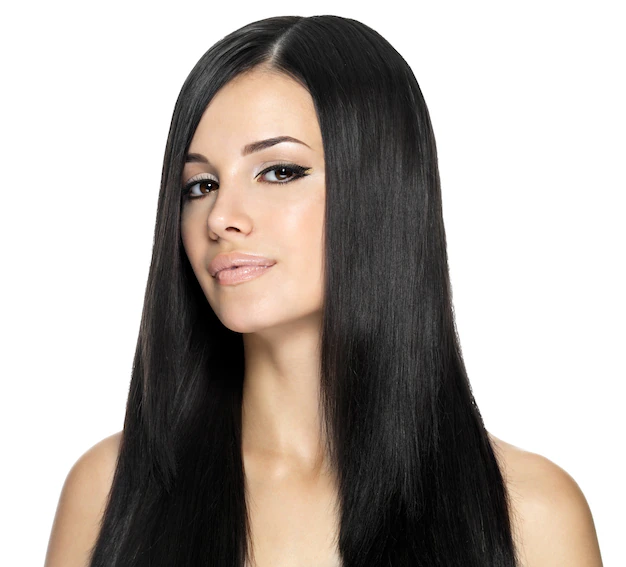
- Type 1A: Soft, fine, and ultra-straight.
- Type 1B: Medium texture with slight volume.
- Type 1C: Coarser strands, almost wavy.
Characteristically smooth and shiny, often with oily roots.
2. Wavy Hair

- Type 2A: Loose, fine waves.
- Type 2B: Defined S-shaped waves prone to frizz.
- Type 2C: Thick waves with well-defined curls.
3 . Curly hair

Type 3A: Loose, soft curls.
Type 3B: Tight, voluminous curls.
Type 3C: Dense, corkscrew curls.
Care involves avoiding excessive brushing and regular moisturizing.
You May Also Read
- 15 ways to keep your hair healthy and moisturized.
- Razor burn: Causes, Treatment and More.
- 7 Benefits Of Apple Cider Vinegar
- <a href="https://medspurs.com/skin-rash-types-of-skin-rash-causes-<a href="https://medspurs.com/category/health/” class=”il-link”>symptoms-treatment/” target=”_blank” rel=”noreferrer noopener”>Skin rash: Types of skin rash, Causes, Symptoms, Treatment.
- Six Essential Secrets To Achieve Washboard Abs
4 . Coily
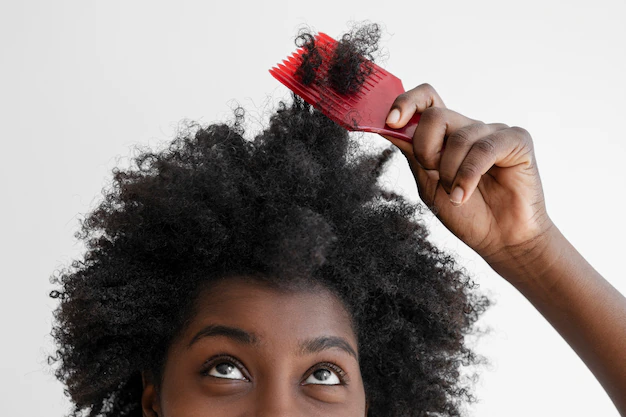
- Type 4A: Loose, springy coils.
- Type 4B: Z-pattern coils with less definition.
- Type 4C: Very tight, fragile coils prone to breakage.
Requires gentle care, deep-conditioning, and moisture locking.
Care Instructions by Hair Type
Straight Hair
- Limit washing to preserve natural oils.
- Use dry shampoo and texturizing sprays.
- Avoid dense brushes and heat styling.
Wavy Hair
- Keep hair hydrated to fight frizz.
- Use sulfate-free shampoos and leave-in conditioners.
- Avoid frequent heat styling.
Curly Hair
- Minimize combing and shampooing.
- Use moisturizing products and diffuser drying.
Coily Hair
- Regular deep conditioning is essential.
- Minimize heat exposure and harsh chemicals.
- Apply leave-in treatments and oils.
Key Takeaway
Your hair type shapes your care routine. Knowing it allows for better-targeted products and healthier hair. Always personalize your regimen, and consider professional advice for best results.
References
Latest Cosmetology Trends, 2025: https://www.cosmetologytoday.com/haircare2025
National Center for Biotechnology Information, Hair Structure: https://www.ncbi.nlm.nih.gov/books/NBK499948/
Journal of Dermatological Science, Follicle Symmetry & Curl Pattern: https://onlinelibrary.wiley.com/doi/full/10.1111/exd.13347
American Academy of Dermatology, Hair Care Basics: https://www.aad.org/public/everyday-care/hair-scalp-care/hair-care-basics
