
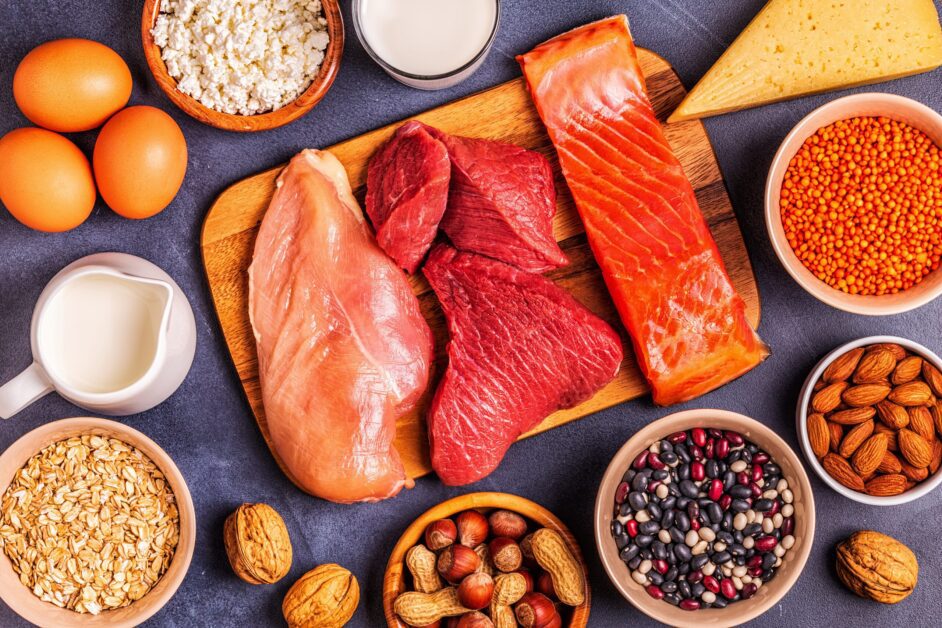
If you want to build muscle, protein is the nutrient your body needs most. But there is more to it than simply eating a lot of it. The type, the amount, and most importantly the timing of your protein throughout the day all affect how much muscle your body can actually build.
<h2 class="wp-block-heading alignwide" id="we-re-a-studio-in-berlin-with-an-international-practice-in-architecture-urban-<a href="https://medspurs.com/category/top-tips/” class=”il-link”>planning-and-interior-design-we-believe-in-sharing-knowledge-and-promoting-dialogue-to-increase-the-creative-potential-of-collaboration” style=”font-size:48px;line-height:1.1″>High-Protein Diets for Building MuscleFirstly, you need to know the list of foods that are high in protein:
Here are some animal-based protein sources:
- Beef
- Chicken
- Lamb
- Fish
- Goat
- Salmon
- Tuna
- Mackerel
- Shrimp
- Cod
- Duck eggs
- Chicken eggs
- Koel eggs
- Whole milk
- Skimmed milk
- Whey protein
- Yoghurt, like Greek yogurt, regular yogurt
- Cheese (cottage cheese, chedda, and mozzarella)
- Crab sticks
Plant-based protein source
- Legumes
- Chick Peas
- Black beans
- Kidney beans
- Hemp seeds
- Walnuts
- Flaxseeds
- Peanuts
- Cashews
- Quinoa
- Oats
- Buckwheat
- Tofu
- Tempeh
- Green peas
- Broccoli
- Sweet potatoes
- Corn
- Kale
- Peanut butter
How Much Protein Should You Take For Building Muscle
The amount of protein to eat if you want to build muscle depends on the person. Things like your age, weight, and how long you’ve been training, including how active you are, matter a lot. According to the International Society of Sports Nutrition , active people should take 1.4 to 2.0 grams of protein per kg of their body weight.
Benefits of High-Protein Diets
Why is protein important for building muscle? Well, high-protein foods help in the following ways:
- It helps grow and repair the muscles
- High-protein diets help build new muscle tissue
- A moderate intake of protein helps reduce muscle soreness and helps your muscles recover after an exercise session
- It keeps you strong
- Helps you look toned
- They help with weight loss
How To Add High-Protein Foods To Build Muscle
This might seem like a no-brainer, but you need to eat lots of protein, and not just protein, but foods that are rich in protein. If you have a certain amount of protein you should eat a day, eating high-protein foods will help you reach your target much more easily. And support muscle growth and repair, which are necessary for building muscle.
In the case of supplements, you can take them as well; they’re nice, but one thing you shouldn’t do is replace supplements with real foods. It’s important that you prioritize whole, unprocessed foods over supplements whenever possible.
That said, supplements can still be a part of the clique, but they should be an addition to your protein intake and not make up the whole thing. They can be a good way to increase your protein intake, especially after exercising.
The main thing is to eat smartly and listen to your body. You probably hear this all the time, but it’s the truth. Everyone is different after all, so make sure you are eating what is enough for you.
3 Days of High-Protein Meals You Can Try
(P.S.: They’re not boring)
- Day 1 : Breakfast: Rice, some chopped beef, chicken, and 3 eggs
- Midday snack: Cottage cheese bowl
- Lunch: Boiled plantains, 2 chicken drumsticks, and veggie soup
- Dinner: Caesar salad
- 1 chicken thigh
- 2 eggs
- Cheese
- Lettuce
- Avocado
- Croutons
- Dressing
Feel free to add some fruits by the side, it can be one mango, watermelon, or apple.
- Day 2: Breakfast: 4 scrambled eggs, 1Ibs of salmon
- Midday snack: Greek yogurt with berries and almonds.
- Lunch: Grilled chicken breast, with quinoa, and steamed vegetables.
- Dinner: Boiled beans, mixed with tuna, and 2 boiled eggs
- Day 3: Breakfast: Scrambled eggs, steak, and broccoli
- Snack: Apple slices with almond butter
- Lunch: Cooked beans and plantains, and 2 eggs
- Dinner: Salmon, asparagus, and roasted potatoes.
