
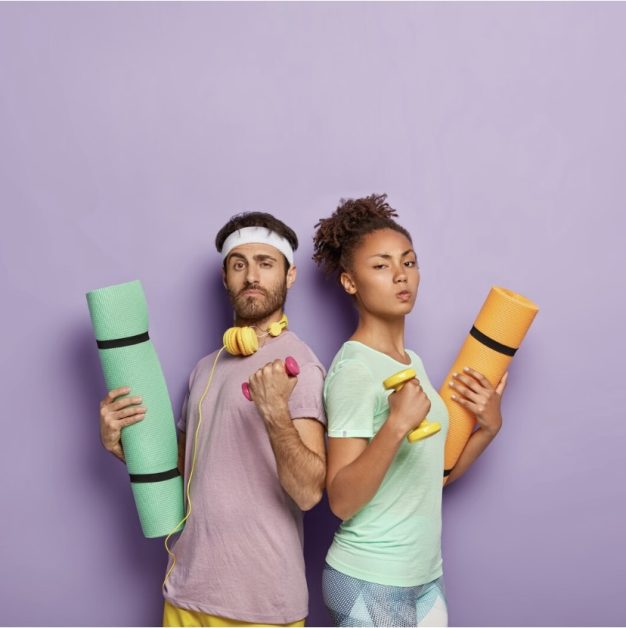
Starting to exercise when you carry extra weight takes some thought, and that is completely reasonable. The goal is to begin in a way that is safe, sustainable, and actually enjoyable enough to keep going. High-impact exercises that stress your joints are not the right starting point. Low-impact, full-body movements are.
The importance of a good foot wear
Before you start any exercise programme, especially as someone carrying more weight, your shoes matter more than most guides acknowledge. When you walk, run, or exercise, the forces travelling through your feet, ankles, knees, and hips multiply significantly with body weight. Poor footwear, flat soles, worn-out trainers, or shoes not designed for movement, dramatically increases the impact on your joints and raises your injury risk.
Before you buy a gym membership or download a workout plan, invest in a pair of supportive, well-cushioned trainers appropriate for the type of movement you plan to do. This single purchase reduces joint strain meaningfully and makes starting far safer and more comfortable.
Safe exercises to start with
Frequently Asked Questions
What should I do if I notice these symptoms?
If you notice any of the symptoms discussed in this article, schedule an appointment with your doctor. Early detection and treatment can prevent complications.
How common is this condition?
This condition affects millions of people worldwide. According to the CDC, prevalence has increased in recent years. Effective treatments are available.
Can this be prevented?
While not all cases are preventable, lifestyle changes including regular exercise, a balanced diet, adequate sleep, and stress management can reduce your risk. Talk to your doctor about personalized prevention strategies.
Match in place
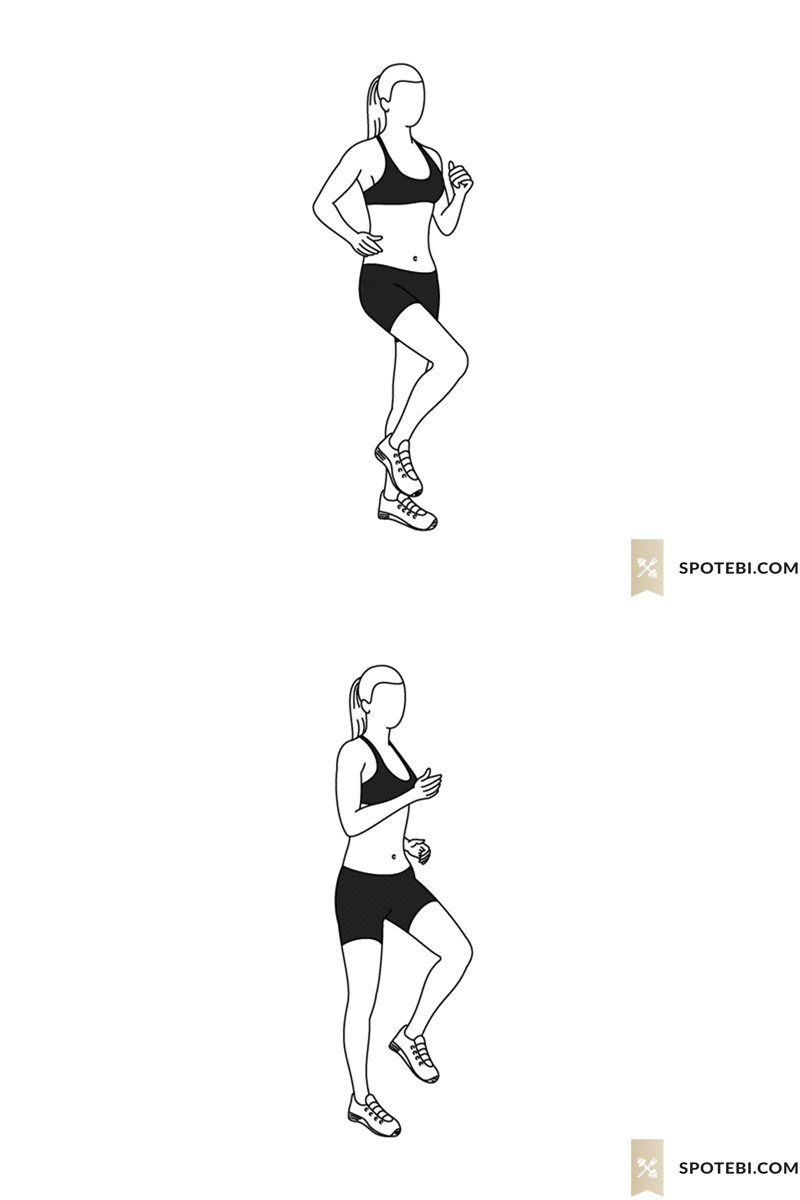
Matching in place is a cool cardio exercise that can help you burn some calories without injuring yourself.
You can start with 1 minute per set, and go from there.
And make sure you try to lift your knees as high as you can, and move your hands too, while you’re matching. So that every part of your body is moving.
Box squat
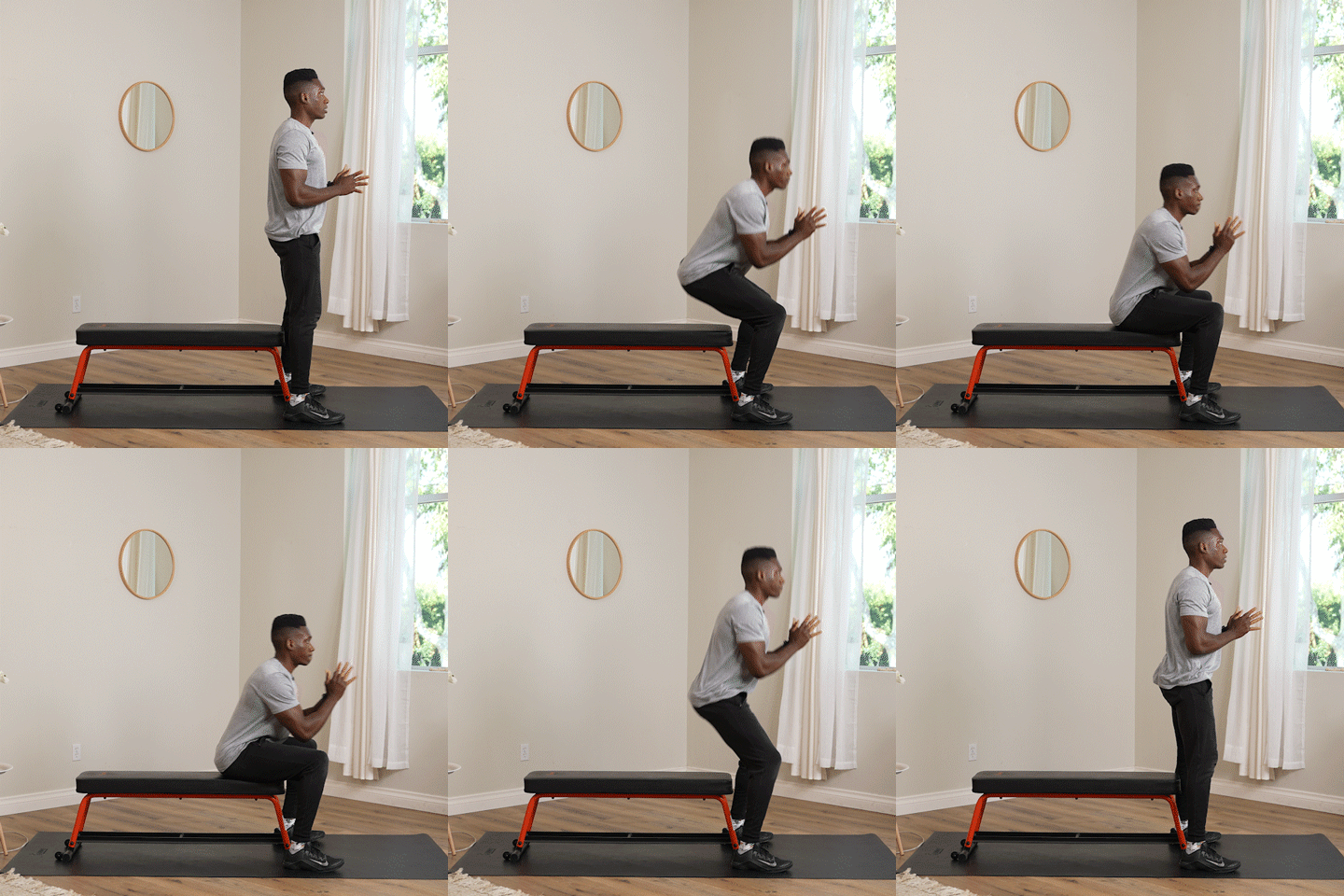
When you carry excess weight around your body, it can make it hard to do traditional squats. Because the extra weight can limit you from doing it completely.
So, doing box squats can be an easier exercise for you. You can start with no weights, or you can fill up a jug to use it as weights.
<a href="https://medspurs.com/category/fitness-and-diet/” class=”il-link”>Walking jacks
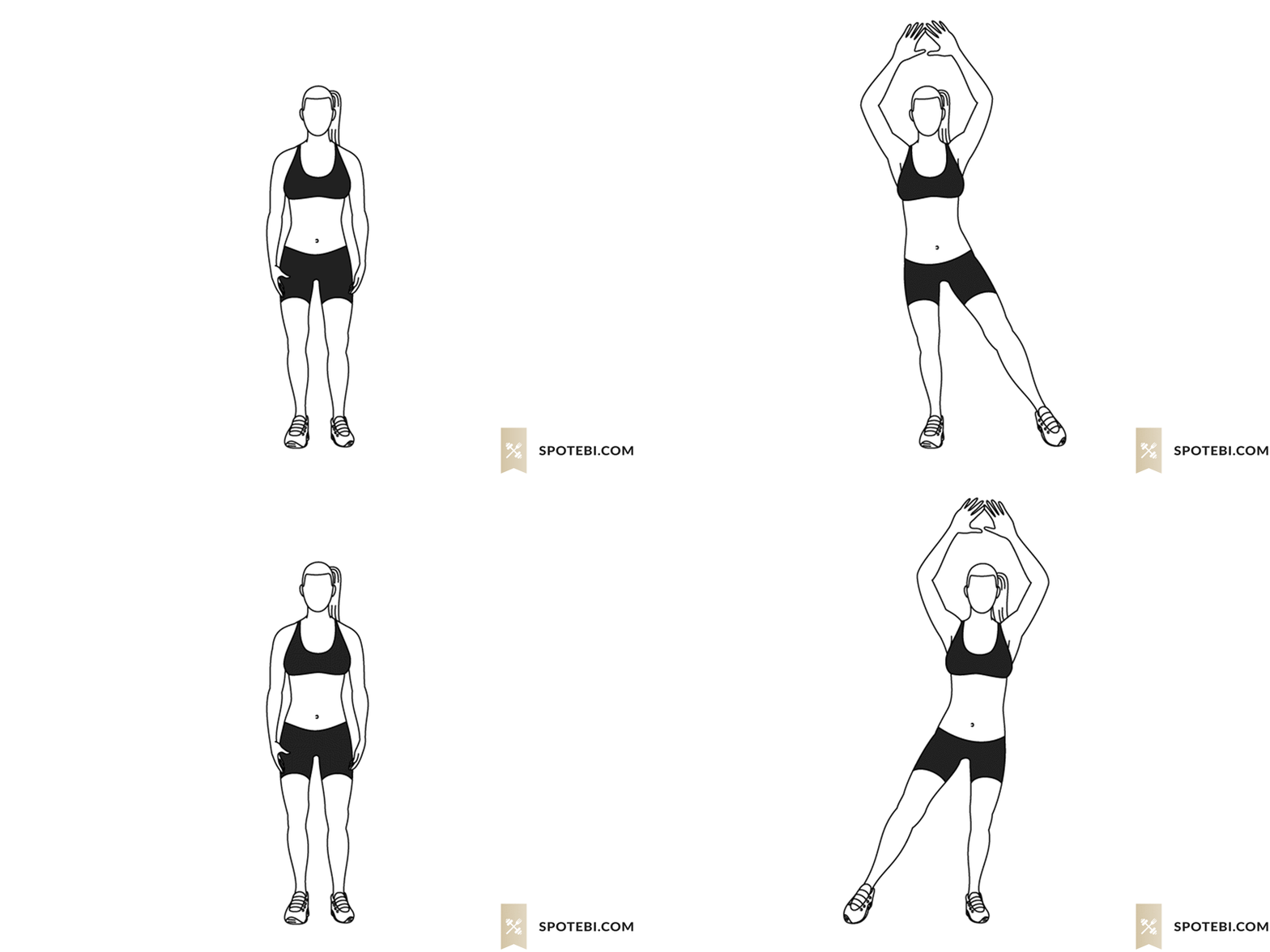
Instead of doing jumping jacks, which are intense and may injure you, walking jacks will be easier on your joints. You can start by doing 20×3 for your workout session.
Wall push-ups
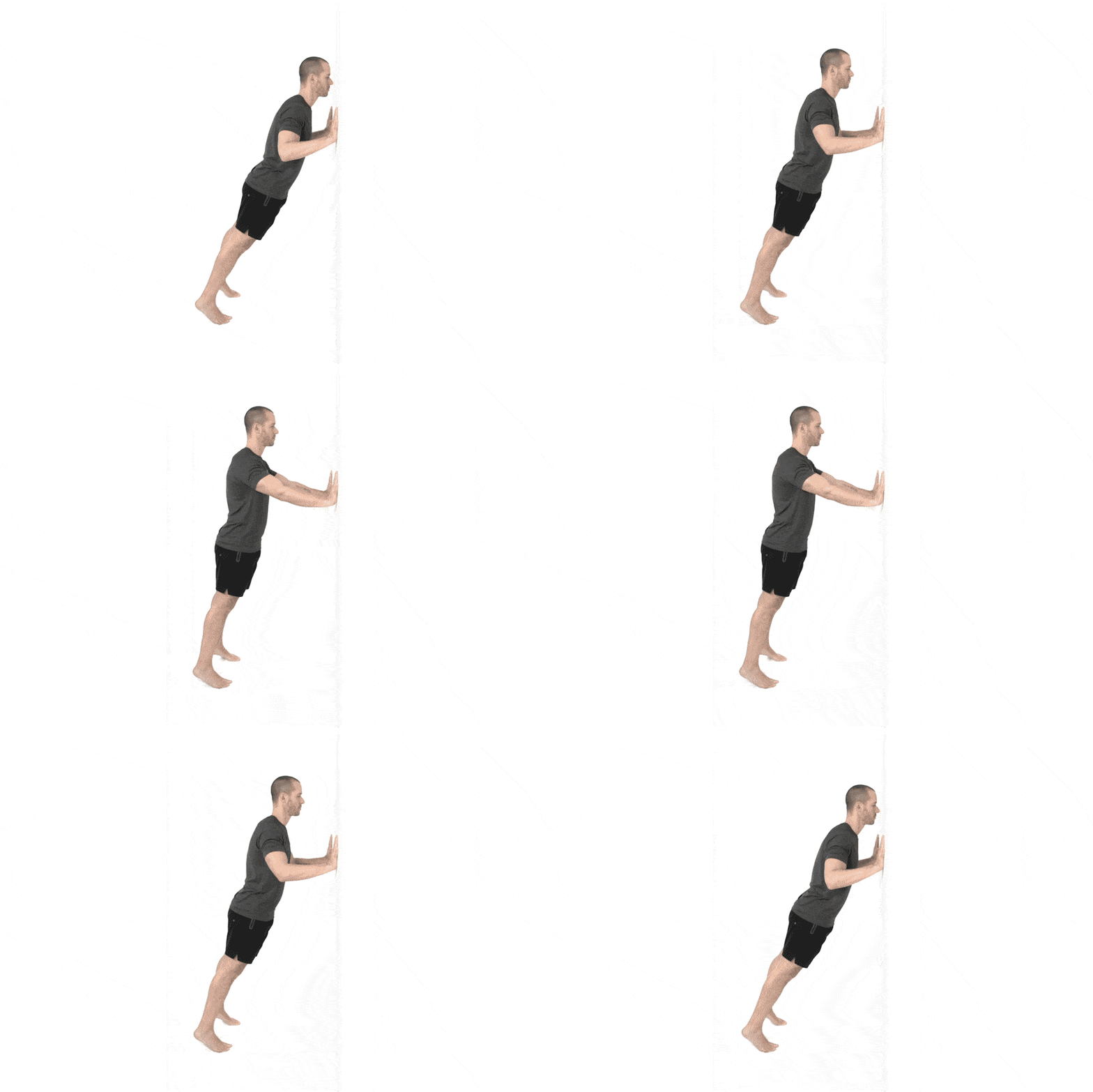
They are not as taxing as the regular push-ups, you know, it’s a safe way to do push-ups, and build strength in your whole body.
Bodyweight sumo squats
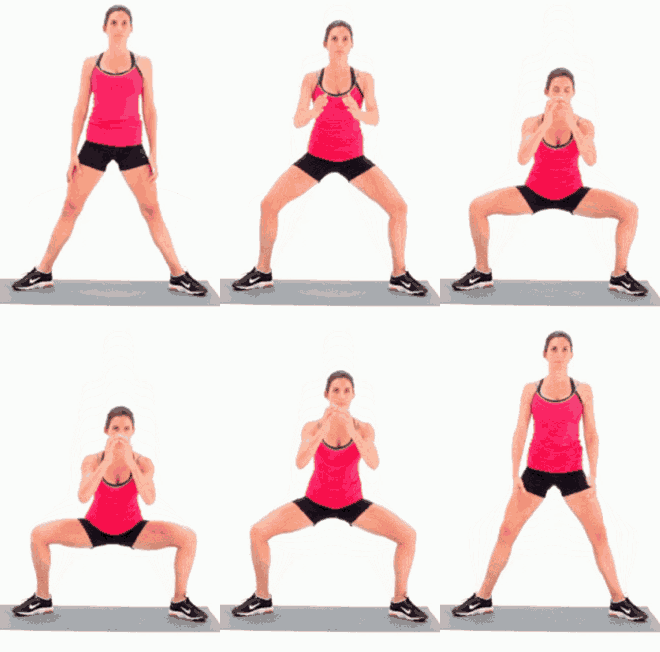
You’ll be using your bodyweight instead of dumbbells or other equipment. However, if it’s not easy to do, you can use a chair to support yourself when you’re going up and lowering yourself down.
Fire hydrants
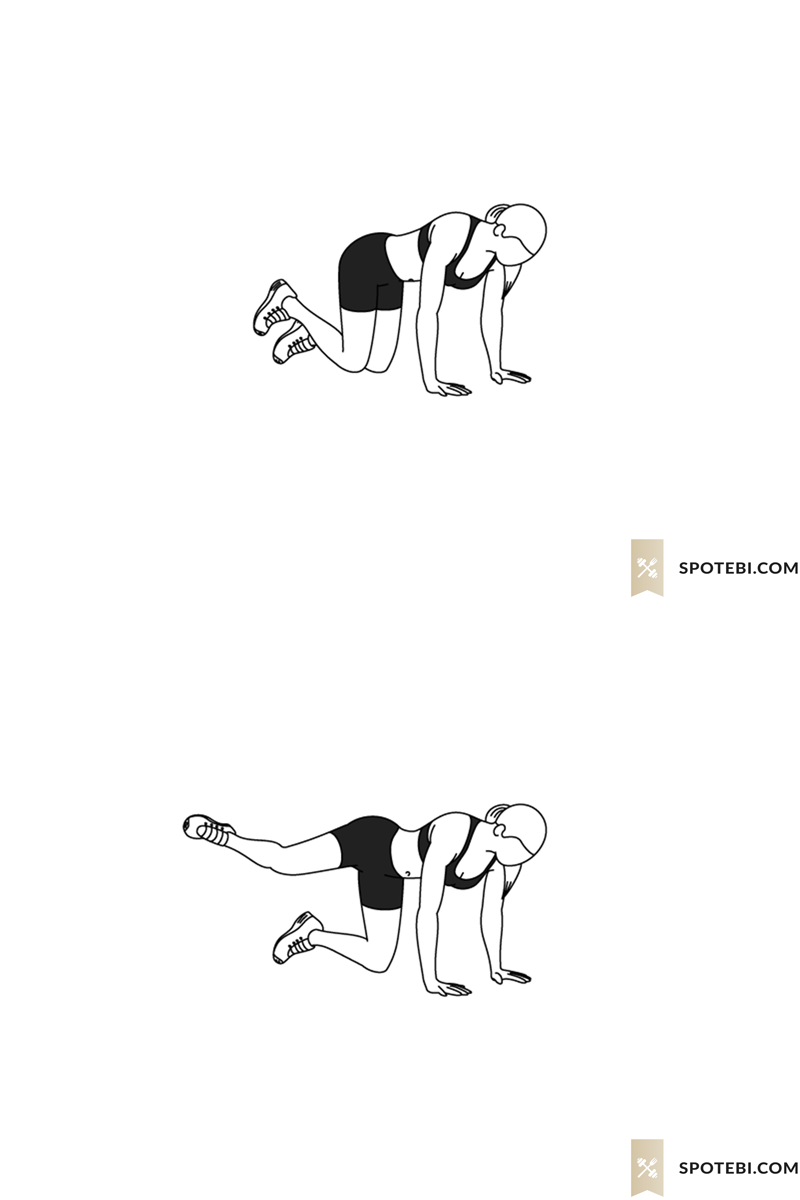
They’re one of the best low-impact exercises you can do, and add to your workout routine. They’re gentle on the joints and can help you become more flexible and make your core stronger.
Calf raises
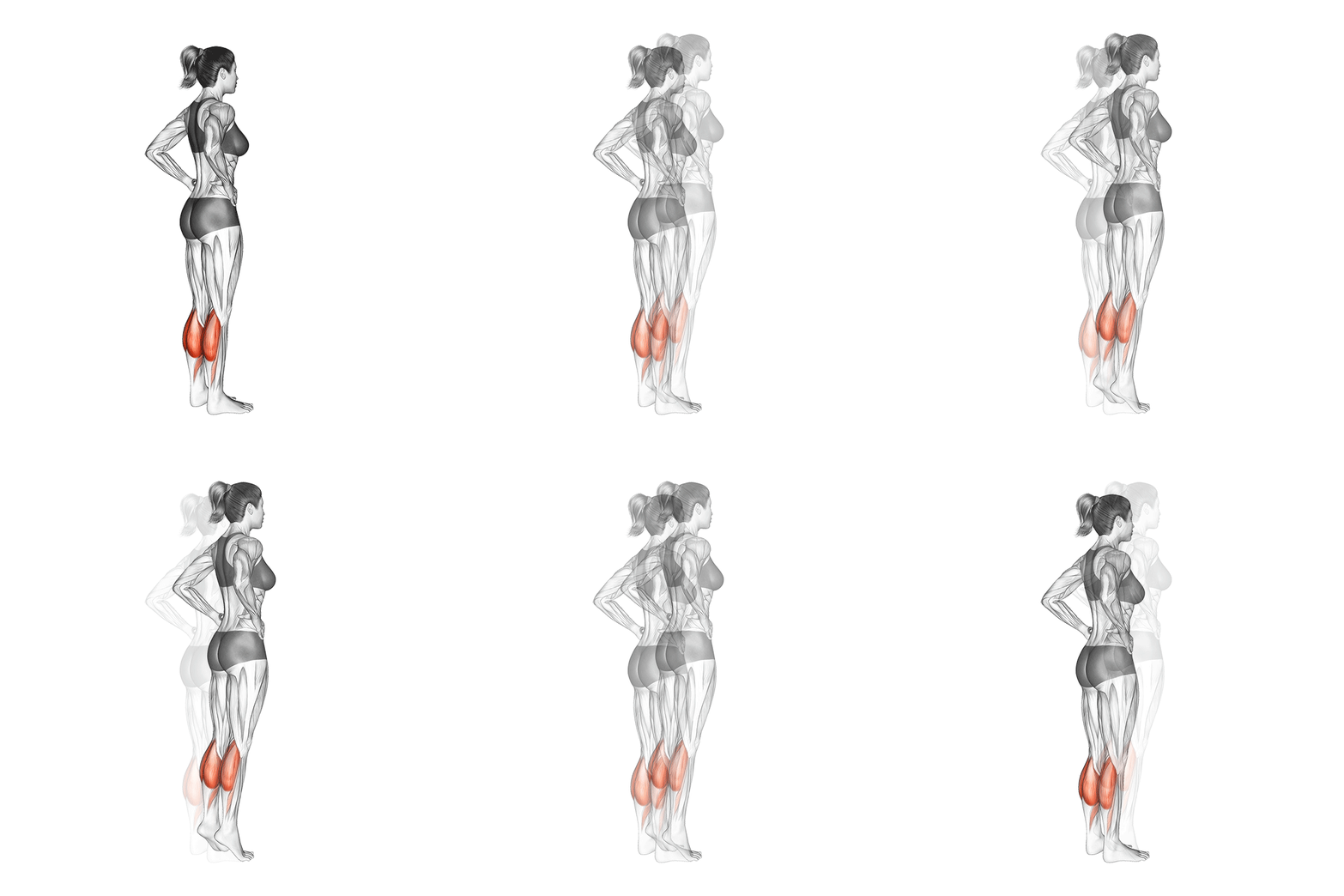
Doing calf raises can help strengthen your calves, help your heart, and prevent ankle injury.
If you add calf raises to your workout routine, it can help you lose body fat.
Bird dog
It is safe for people who have larger sizes, and can help strengthen core muscles, get a better posture, improve stability, and reduce back pain.
And make sure you do it properly, to avoid injury.
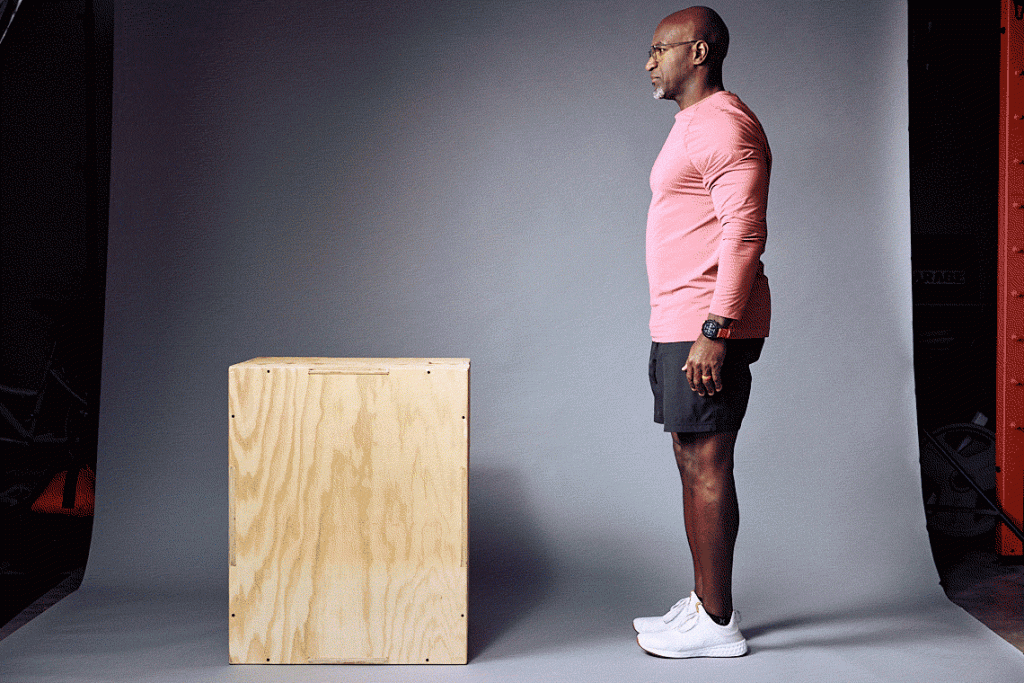
This is a much simpler way for people who are of a high weight to do planks.
Countertop planks
It’s a safe way to build your core strength, get a better posture, and help build your muscles.
Seated knee lifts
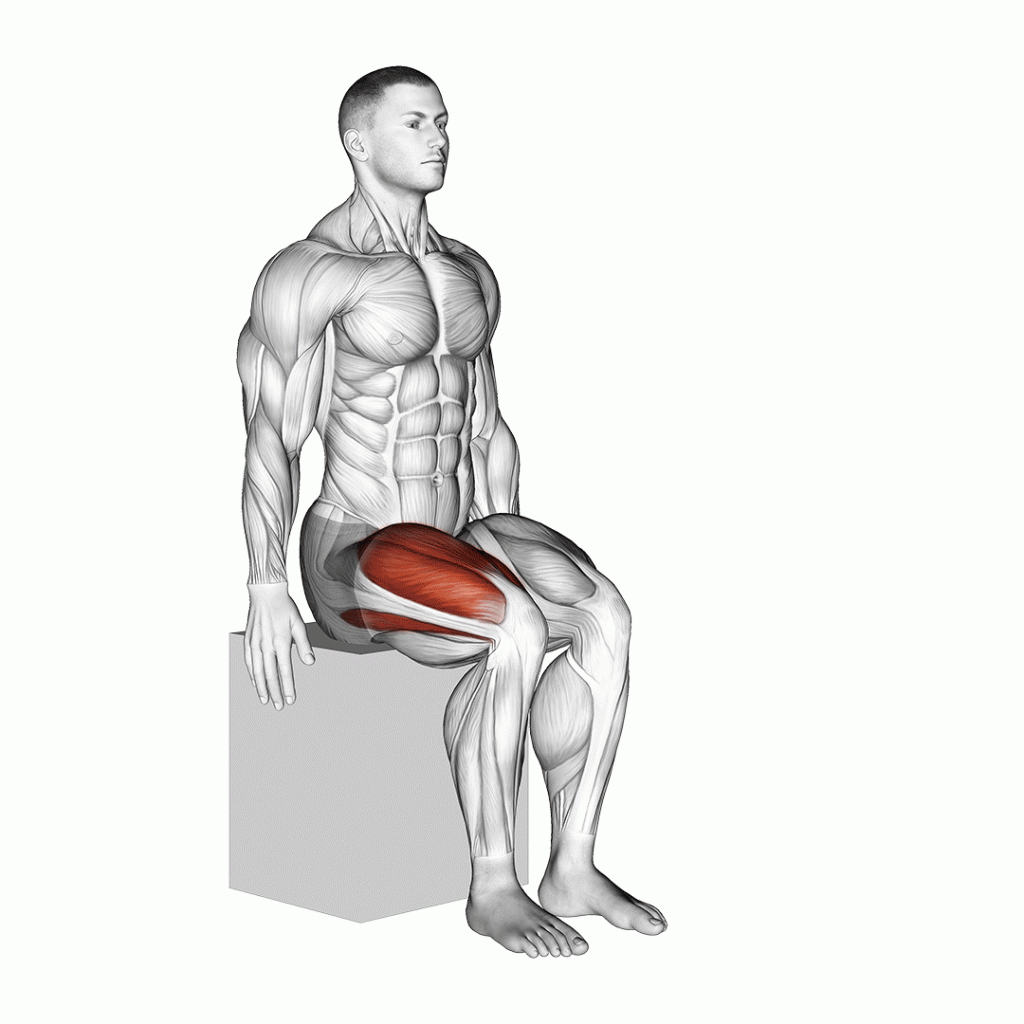
For someone who weighs a lot, knee lifts can be a good workout. It’s a form of cardio exercise, which can help keep your heart healthy.
Also, including them in your workout routine is a good way for they can burn calories and help you in your weight loss journey.
Standing back kicks
Also known as glute kickbacks, it is an isolation exercise that works 3 types of muscles, which are the gluteus muscles, gluteus medius, and gluteus minimus.
It also helps build strength in your hamstrings, calves, and core, because they help keep you stable while doing the exercise.
Other Safe Exercises For Beginners (outdoor exercises)
Walking: This is a very safe and simple way to get into fitness if you carry a lot of weight.
They’re like the ideal low-impact exercise, and all you need are:
- Some good shoes
- AirPods for some good music or a podcast
- Comfortable clothes
- Some space
However, not everyone can do it. For example, if you have back, knee, or hip pain, try to see a doctor to know what and how best to add walking to your routine.
Swimming: It is one of the best cardio exercises you can do. It can give you a complete body workout that is easy on the joints. Swimming also builds core strength and balance, whilst helping you burn fat and calories.
It’s a top exercise, it is so cool.
Also, swimming it’s just a nice way to hang out in summer, but a way to get healthy, without injuring yourself.
Cycling: Biking is another form of exercise that a person who is of a certain weight can do. It is a great exercise, burns a lot of calories, which may help you lose weight. And it is good for your heart and lungs.
So, if you add to your fitness routine, it’ll help you a lot.
Get a bike that is the right size and is comfortable enough for your weight.
A hybrid bike or comfort bike is are nice option you can try.
Some other outdoor physical activities like:
- Walking your dog
- Brisk walking
- Washing the car
- Cleaning the garden
- Running errands
You know what is most important? Moving your body more throughout the day, because moving your body is better than no movement at all. Also, make sure you speak with your doctor before you start any exercise routine.
Bottom Line
The information in this article is based on current medical evidence and guidelines. Always consult with a qualified healthcare provider for personalized advice. Early detection and proper management are key to maintaining good health.
Related Articles
- Is It Safe To Eat Placenta? How Does It Taste?
- Core exercises : 8 exercises for a stronger core *no crunches*
Sources
When to See a Doctor
Consult a healthcare provider if symptoms persist for more than two weeks.
