
Affiliate Disclosure: This article contains affiliate links. If you buy through one of them we may earn a commission, at no extra cost to you. We only recommend products we genuinely believe in. As an Amazon Associate I earn from qualifying purchases.
Medical Disclaimer: This content is for informational and educational purposes only and is not medical advice. Always consult a qualified healthcare professional before making health decisions or starting any new treatment.
A new tests known as the “cancer sponge test” is gaining attention after the UK’s National Institute for Health and Care Excellence (NICE) recommended its use in draft guidance for the NHS in England. The test could help identify changes in the food pipe (oesophagus) that may increase the risk of cancer, particularly in people who have persistent acid reflux.
But what is the test about, how does it work and who may need it?
What Is the Cancer Sponge Test?
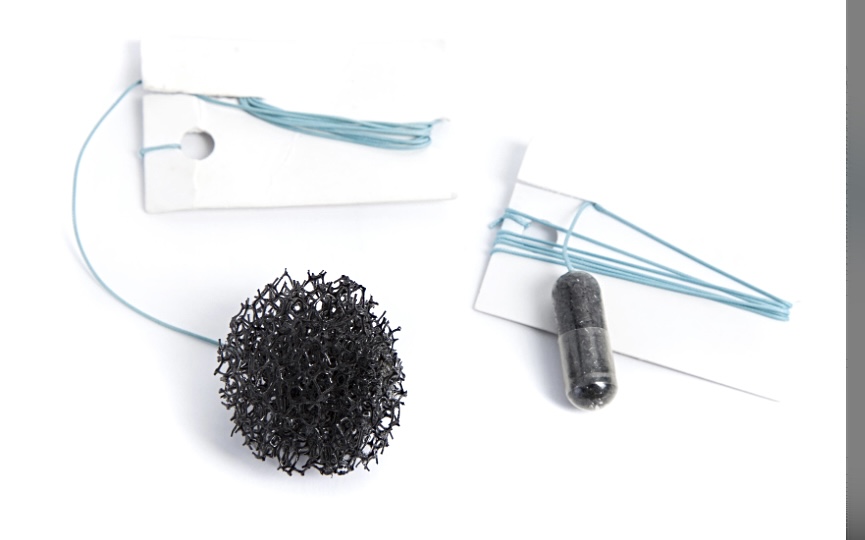
The cancer sponge test, also called the capsule sponge, or “sponge on a string” is a procedure that collects a few cells from the lining of the oesophagus for examination.
It’s designed to detect a condition called Barrett’s oesophagus. This happens when repeated exposure to stomach acid slowly changes the cells lining the pipe.
Although most people with Barrette’s oesophagus do not develop cancer, the condition can the risk of oesophageal cancer in some areas.
How Does the Sponge Test Work?
The procedure involves a person swallowing a tiny capsule with a thin thread attached. Once the capsule reaches the stomach its outer coating dissolves and a small sponge is released.
After a few minutes, a nurse gently pulls the thread back up using the string. As it passes through the oesophagus, it collects cells from its lining. These cells are sent to laboratory to check for anything unusual.
The whole process takes less than ten minutes and does not require sedation. This makes it a less invasive option than an endoscopy, which uses a thin tube with a camera to examine the food pipe.
Who May Need It?
Not everyone. Most people with occasional heart burn don’t need it. The proposed NICE guidance recommends capsule sponge testing as an option for whose heart burn keeps coming back or won’t go away, and additional risk factors for Barrett’s oesophagus.
These risk factors may include older age, smoking, carrying a higher weight and a family history of Barrett’s oesophagus or oesophageal cancer.
The test may also be used to monitor people who have already been diagnosed with Barrett’s oesophagus for changes in their cells.
Does the Sponge Test Detect Cancer?
Not directly. What it does is collect cells that can help identify Barrett’s oesophagus and other changes in the oesophageal lining.
If the results look unusual there might be need for further investigations, such as an endoscopy and biopsy, to confirm what is happening.
A negative result also does not guarantee that there is no problem. Anyone with persistent or worsening such as:
- trouble swallowing
- a cough that won’t go away
- a hoarse voice
- or losing weight without trying
should still speak with a doctor.
The bottom Line
The cancer sponge test offers a quick, less invasive method of collecting cells from the oesophagus and identifying changes that may increase cancer risk. Although it could help more people receive appropriate checks, it does not replace every endoscopy or provide cancer diagnosis on its own.
