
Affiliate Disclosure: This article contains affiliate links. If you buy through one of them we may earn a commission, at no extra cost to you. We only recommend products we genuinely believe in. As an Amazon Associate I earn from qualifying purchases.
Medical Disclaimer: This content is for informational and educational purposes only and is not medical advice. Always consult a qualified healthcare professional before making health decisions or starting any new treatment.
So you’ve had a big spicy dinner and you developed heartburn. You grab an antacid, take it. feel better and forget about what happened. But what that burning sensation keeps coming back? Week after week, or even year after year? That’s something worth paying attention to.
Frequent long-term acid reflux can sometimes be associated with a condition called Barrett’s oesophagus.
Barrett’s oesophagus is a condition that affects the lining of the food pipe (oesophagus), causing some of its cells to change. It is often associated with long-term acid reflux, and can increase the risk of developing oesophageal cancer.
Although the name can sound worrying, having Barrett’s oesophagus does not mean you have cancer. So, what causes it, what symptoms should you look out for and when should you be concerned?
What is Barrett’s oesophagus?
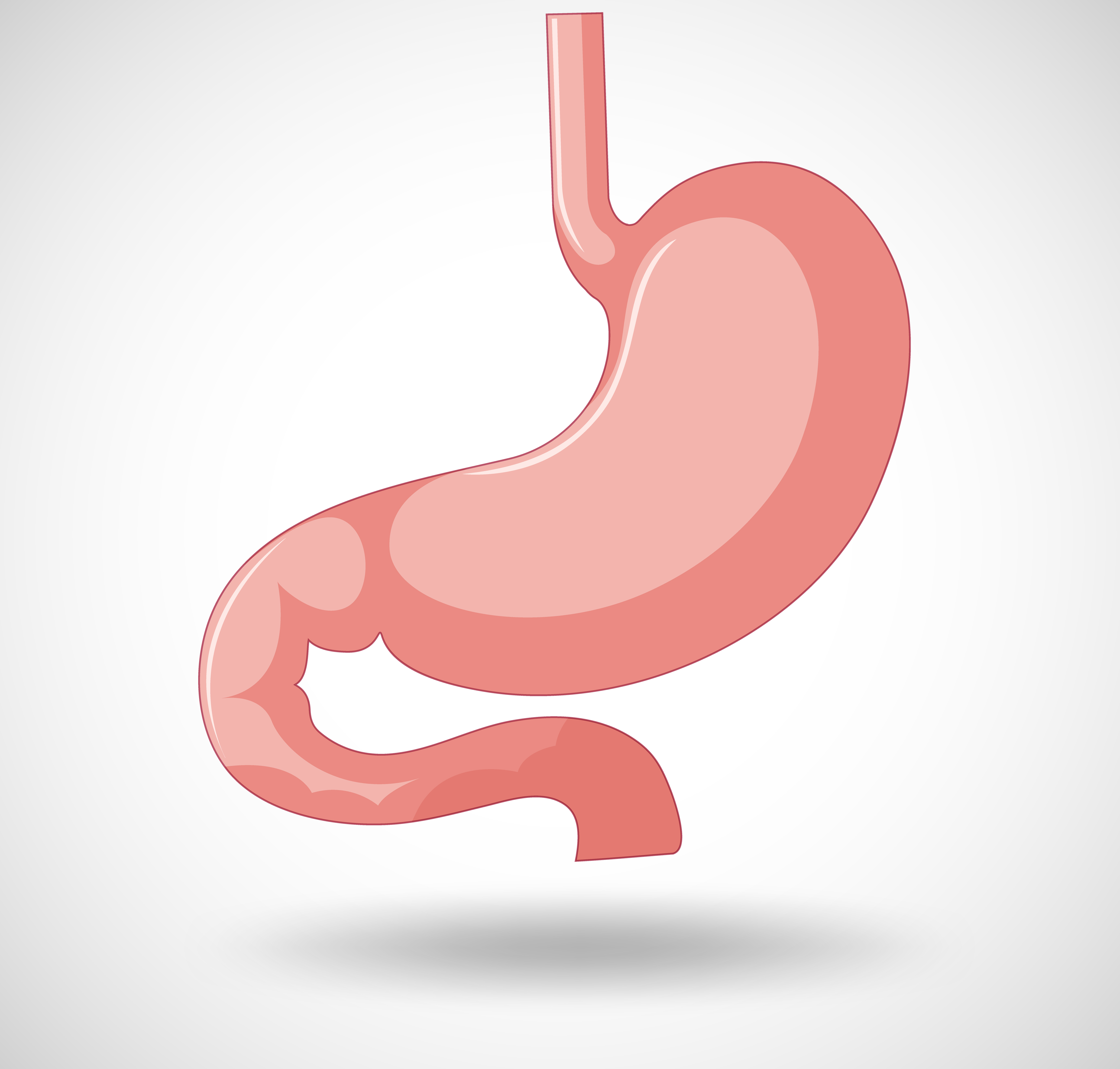
Your oesophagus is the tube that carries food from your mouth to your stomach. In Barrett’s oesophagus the cells lining the oesophagus begins to change.
Normally, these cells are flat. However, in problem with Barrett’s oesophagus, they become more like the cells found in the lining of the stomach or intestines.
The main cause of these changes are often linked to long-term acid reflux, where stomach acid repeatedly flows back into the oesophagus and irritates the lining.
Causes
The exact cause isn’t fully understood, but long-term gastro-oesophageal reflux disease (GORD or GERD) is a major risk factor.
Other factors that may increase the likelihood of developing the condition include:
- Carrying extra weight, particularly around the waist
- Being male
- Smoking
- Being over the age of 50
- Having a family history of Barrett’s oesophagus or oesophageal cancer
However, not everyone who experiences acid reflux will develop Barrett’s oesophagus.
What Are the Symptoms?
Barrett’s itself usually doesn’t cause noticeable symptoms. Many people discover they have it while undergoing tests for other digestive problems.
However people with the condition may also experience symptoms of acid reflux, such as:
- Frequent heartburn
- A burning feeling in the chest
- Food or stomach acid coming back up into the mouth
- Difficultly swallowing in some cases
If heartburn is persistent and you experience difficulty swallowing, it should be discussed with your doctor, rather than ignored.
Can Barrett’s Oesophagus Lead to Cancer?
Yes, but the risk is relatively small. In some people, the changes cells can develop further abnormalities, known as dysplasia. These changes may eventually progress to oesophageal cancer.
However, most people with it Barrett’s oesophagus never develop cancer.
Doctors may recommend regular monitoring to check for changes in the cells. Treatment may also be needed if more concerning abnormalities are found.
How Is Barrett’s Oesophagus Diagnosed?
The condition is usually diagnosed through an endoscopy, where a doctor uses a thin tube with a small camera to examine the oesophagus. A small tissue sample (biopsy) may also be taken and examined in a laboratory.
Another option is a capsule sponge test, which collects cells from the lining of the oesophagus for examination. It can help identify changes associated with Barrett’s oesophagus, although a endoscopy and biopsy may still be needed to confirm the diagnosis.
What Can You Do About It?
Treatment mainly focuses on controlling acid, usually with medication. However, some everyday habits might help too:
- Cut back on foods that trigger your reflux such as coffee, chocolate, citrus and too much alcohol
- Avoid eating right before bed
- Aim to maintain a healthy weight
- Quit smoking
- Limit your intake fried and high-fat foods
The Bottom Line
Barrett’s oesophagus can increase the risk of oesophageal cancer, but having the condition doesn’t mean you’ll get cancer. If you experience persistent acid reflux or difficulty swallowing, speak with a doctor to know if further assessment is needed.
