
Physical fitness is your body’s ability to carry out daily tasks, stay active, and enjoy life without getting worn out. It is not just about going to the gym or running a marathon. It is about being well enough to move through your day with energy, handle challenges without breaking down, and reduce your risk of serious illness over time.
Working towards improving your physical fitness is one of the most powerful things you can do for your long-term health. It costs nothing to start, and the benefits begin within weeks.
Fitting regular exercise into your daily schedule may seem daunting at first. However, a ten-minute workout as a start can do a lot for you. What’s important is that you find the right exercise for you. And it should be fun, and it should match your fitness level. And there are ways to improve your physical health, which you will discover in this article.
What Is Physical Fitness?
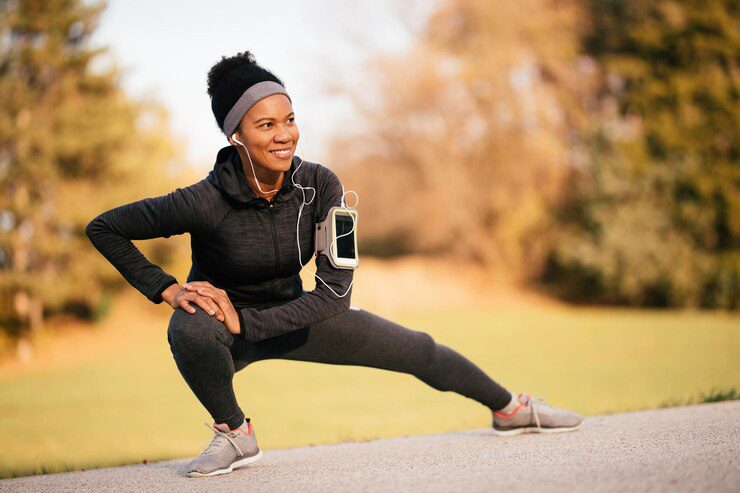
Physical fitness is a state of health and well-being that enables you to perform tasks or daily activities, enjoy leisure-time activities, and maintain overall quality of life. It’s a multifaceted concept that consists of several components, each contributing to your overall fitness level.
Components of Physical Fitness
1 . Cardiovascular endurance: This component includes the ability of your heart, lungs, and blood vessels to deliver oxygen and nutrients to your muscles during prolonged exercise or physical activity. Examples include running, jogging, cycling, and swimming.
2 . Muscle strength: This is the amount of force your muscles can produce in a single effort. Or the ability of your muscles to exert force against resistance. Examples include weightlifting, bodyweight exercises, and resistance band training.
3 . Muscle endurance: The ability of your muscles to perform a movement over time. Muscle endurance shows the ability of your muscles to sustain activity over time. Some instances are long-distance running, swimming, or cycling.
4 . Flexibility: The range of motion in your joints and muscles. Examples include stretching exercises, yoga, and Pilates.
5 . Body composition: The ratio of lean body mass to body fat. A healthy body composition is essential for overall health and fitness.
What Happens When You Neglect Each Component
Each component that you do not work on will deteriorate. Your cardiovascular endurance drops noticeably within two to three weeks of inactivity, which can make daily tasks feel harder. After the age of 30, you lose three to five percent of muscle mass every decade if you do not do resistance training. Also, flexibility decreases steadily as you grow older if you do not stretch, and it’ll lead to stiff joints, and chronic pain. If you neglect body composition, it could gradually lead to fat gain and increase your risk of type 2 diabetes, heart disease, and some cancers.
You do not have to let this happen. Just start with small, consistent effort in each area builds a body that holds up well over time.
Benefits of Physical Fitness
So why is it important to be physically fit? What’s the gain? Well, getting fit can help you:
1 . Control your weight: Weight management is one of the key things that physical fitness can help with. It can help with weight loss and maintenance, and reduce the risk of excess-weight-related health problems.
2 . Sleep better: Better sleep is one of the benefits of being physically active, because a good amount of physical activity can help you sleep more easily and soundly.
3 . Increase your energy levels: Having no energy all the time is not a good sign. However, regular exercise can boost energy levels and reduce fatigue. So, if you’re always feeling tired every second of the day, despite resting, getting some physical exercise done can help you.
4 . Strengthen your bones: One of the advantages of being a physically fit person is having strong bones. Exercise, especially weight-bearing exercises, can help maintain strong bones and reduce the risk of osteoporosis.
5 . Improve your mental health: Studies have shown that exercise can reduce symptoms of anxiety and depression, which can improve overall mental health.
6 . Increase strength and flexibility: Regular physical activity can improve muscular strength, flexibility, which makes it easier to perform daily tasks, and reduce the risk of injury. Therefore, if you are a physically fit person, you’ll be less likely to be stiff around your joints and can move more easily than others.
7 . Lower your chances of developing chronic diseases: The risks of chronic diseases like type 2 diabetes, excess weight gain, heart disease, and some cancers, developing, can be reduced by regular physical activity.
8 . Improve balance and coordination: Physical activity can help improve your balance and coordination, which reduces the risk of falls.
Physical fitness is an important part of overall health and well-being. It is important to keep in mind that it is a journey. When you start incorporating regular physical activity into your life, you can enjoy the many benefits it has to offer.
Frequently Asked Questions
What should I do if I notice these symptoms?
Schedule an appointment with your doctor. Early detection can prevent complications.
Can this be prevented?
Lifestyle changes including exercise, a balanced diet, and stress management can reduce your risk.
