
This content is for informational and educational purposes only. Always consult a qualified healthcare provider.
Last Updated on July 30, 2026 by Pen and Pixel
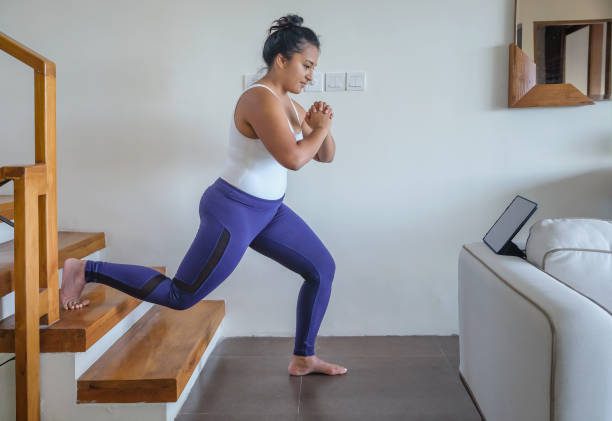
Okay, the traditional gym setting isn’t for everyone. The weights, the smell of sweat, and the pressure to perform can be overwhelming. But who says staying active requires a gym membership? When there are alternative, enjoyable ways to keep moving and maintain your health?
📋 Table of Contents
The Key Takeaway.
Staying active doesn’t require a gym. By adding movement into daily routines and trying different activities, you can maintain your physical <a href="https://medspurs.com/category/<a href="https://medspurs.com/category/health/” class=”il-link”>health/” class=”il-link”>health, boost mental well-being, and enjoy the process too!
Why Gym-Free Exercise Works
Just 30 minutes of moderate exercise five times a week is enough for real results. Even splitting it into shorter 10–15 minute sessions works.
The American College of Sports Medicine (2025) ranks exercise for mental health as a top fitness trend. Why? Because activities done consistently, that you enjoy, improve:
- Mood
- Energy
- Cognitive function
- Stress & anxiety
Gym-free exercises are sustainable because when you enjoy movement, you stick with it long-term.
7 Proven Ways to Stay Active Without a Gym
1. Go Outside: Nature as Your Fitness Center
Outdoor activities like hiking, biking, or even brisk walking can be excellent for your health. They provide physical benefits, reduce stress and improve your mood.
How to Start:
- Begin with 15-20 minute walks in your neighborhood
- Find local parks or trails using apps like AllTrails
- Try “walk and talk” meetings for work calls
- Park farther away from destinations
- Take stairs instead of elevators when possible
Calorie Burn: A 150-pound person burns approximately 140 <a href="https://medspurs.com/category/food-and-<a href="https://medspurs.com/category/food-and-nutrition/” class=”il-link”>nutrition/” class=”il-link”>calories during a 30-minute brisk walk.
2. Dancing: The Fun Fitness Solution
Dancing is a fun way to get your heart rate up. You could try a structured class or just dance to your favorite music at home. Dancing helps your cardiovascular health and coordination.
Dance Options to Try:
- YouTube dance workouts (search for beginner-friendly routines)
- Social dancing (salsa, swing, ballroom)
- Cultural dances (Zumba, Bollywood, African dance)
- Just dancing to your favorite playlist for 20-30 minutes
Pro Tip: Create different playlists for different energy levels. Upbeat songs for cardio sessions, slower songs for cool-down stretches.
Calorie Burn: Dancing can burn 200-400 calories per hour, depending on intensity and body weight.
3. Household Chores: Your Secret Workout
Tasks like vacuuming, gardening, or washing windows can be surprisingly physical. Turn on some music and make cleaning a fun activity.
High-Activity Chores and Their Benefits:
- Vacuuming (30 minutes): 99 calories if you’re 120 pounds, 124 calories if you’re 150 pounds, and 166 calories if you’re 200 pounds. Do dance moves or lunges while you push to pump up the burn
- Gardening: Works multiple muscle groups and provides vitamin D exposure
- Window washing: Great for arm and core strength
- Mopping: Excellent for core stability and leg strength
- Rearranging furniture: Full-body strength training
Making Chores More Active:
- Add squats while folding laundry
- Do calf raises while washing dishes
- Take multiple trips up and down stairs instead of carrying everything at once
- Clean to upbeat music and move with the rhythm
4. Join Community Sports and Groups
Participating in recreational sports or joining local activity groups can provide both exercise and social interaction. It’s a win-win for your physical and mental health.
Why Community Sports Work:
- Built-in accountability from teammates
- Social interaction improves mental health
- Variety prevents boredom
- Often more affordable than gym memberships
Popular Community Options:
- Local recreation center classes
- Walking or hiking groups
- Community garden projects
- Neighborhood sports leagues (softball, basketball, tennis)
- Meetup groups for active people
- Volunteer activities (park cleanup, charity walks)
Getting Started:
- Check your local recreation department website
- Look for Facebook groups in your area
- Visit community centers and libraries for bulletin boards
- Ask friends and neighbors about local groups
5. Use the Internet: Your Personal Trainer
The internet is filled with free workout videos, from yoga to high-intensity interval training. Find a routine that suits you and stick with it.
Best Free Resources:
- YouTube Channels: Yoga with Adriene, Fitness Blender, HIIT Workouts
- Apps: Nike Training Club, Adidas Training, Seven (7-minute workouts)
- Websites: Darebee.com offers free visual workouts
- Live Classes: Many studios offer free live-streamed classes
How to Choose the Right Online Workout:
- Start with beginner-level videos
- Choose instructors whose teaching style you enjoy
- Look for programs that require minimal or no equipment
- Read comments and reviews from other users
- Try different styles to find what you enjoy most
Creating Consistency:
- Schedule workout times like appointments
- Set up your space in advance
- Have backup 10-minute routines for busy days
- Track completed workouts to see progress
6. Try Recreational Sports
Sports like tennis, badminton, or even casual basketball games can be enjoyable ways to exercise. They also offer opportunities to meet new people and build a sense of community.
Popular Recreational Sports:
- Tennis: Great cardio and hand-eye coordination
- Badminton: Lower impact than tennis, still excellent cardio
- Basketball: Full-body workout with cardio and strength components
- Frisbee: Fun, low-impact option for parks
- Swimming: Full-body, low-impact exercise (if you have access to a pool)
- Pickleball: Growing sport that’s easier on joints than tennis
Finding Places to Play:
- Public courts and recreation centers
- Community college facilities (often open to public)
- Church or school gymnasiums
- Local sports clubs and leagues
7. Incorporate Movement Throughout Your Day
The key to staying active without a gym is making movement a natural part of your daily routine, not a separate obligation.
Small Changes, Big Impact:
- Take walking meetings when possible
- Use a standing desk or stability ball
- Set hourly reminders to stand and stretch
- Walk or bike for short errands instead of driving
- Take the long route to destinations
- Do exercises during TV commercial breaks
Creating Your Personal Activity Plan
Now that you know the options, here’s how to create a sustainable plan:
Week 1-2: Exploration Phase
- Try one new activity every few days
- Keep sessions short (15-20 minutes)
- Focus on enjoyment over intensity
- Track what you like and dislike
Week 3-4: Pattern Building
- Choose 2-3 favorite activities
- Schedule specific times for movement
- Gradually increase duration
- Add variety to prevent boredom
Week 5+: Maintenance and Growth
- Aim for 150 minutes of moderate activity per week (as recommended by health organizations)
- Mix different types of activities
- Set small, achievable goals
- Celebrate progress
Tracking Progress Without Equipment
You don’t need expensive fitness trackers to monitor your progress:
Simple Tracking Methods:
- Keep a basic activity log in your phone or notebook
- Use free smartphone step counters
- Take weekly photos to see physical changes
- Note improvements in energy levels and sleep quality
- Track how you feel mentally after activities
What to Track:
- Type of activity
- Duration
- How you felt before and after
- Any physical improvements you notice
- Sleep quality and energy levels
Making It Sustainable
The secret to long-term success isn’t finding the perfect workout – it’s finding activities you actually enjoy and can realistically maintain.
Tips for Long-Term Success:
- Start small and build gradually
- Have backup plans for bad weather or busy days
- Find an accountability partner or group
- Focus on how activity makes you feel, not just physical results
- Be flexible and adjust your plan as needed
You see? Staying active doesn’t have to be confined to the walls of a gym.
Frequently Asked Questions
What should I do if I notice these symptoms?
Schedule an appointment with your doctor. Early detection can prevent complications.
Can this be prevented?
Lifestyle changes including exercise, a balanced diet, and stress management can reduce your risk.
Bottom Line
Always consult a qualified healthcare provider for personalized advice. Early detection and proper management are key to maintaining good health.
When to See a Doctor
Consult a healthcare provider if symptoms persist for more than two weeks or interfere with daily activities.
Related Articles
- Coping Mechanisms for Each Stage of Grief and How to Support Someone Going Through Grief.
- Top 5 Protein Powders Without Fake Sweeteners.
Sources
Part of our Fitness Exercise Guide — a complete guide to this topic.
