
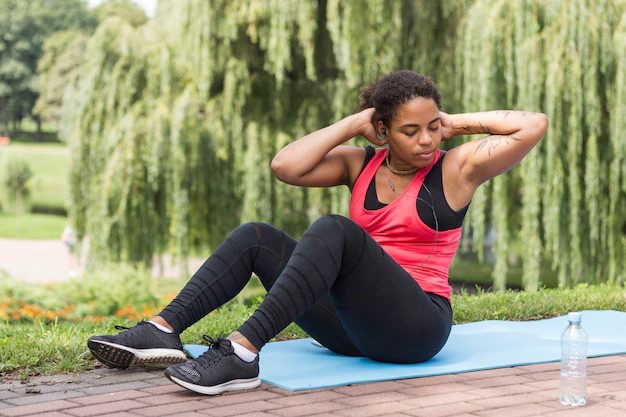
Fitness for women is not just about looking a certain way. It is about feeling strong, managing your hormones, having energy, and taking care of your body through every stage of life. The good news is that the right approach does not have to be complicated or punishing.
<h2 class="wp-block-heading alignwide" id="we-re-a-studio-in-berlin-with-an-international-practice-in-architecture-urban-planning-and-interior-design-we-believe-in-sharing-knowledge-and-promoting-dialogue-to-increase-the-creative-potential-of-collaboration” style=”font-size:48px;line-height:1.1″>The workout planYour workouts don’t have to be severe before you know you’re doing something right. The “no pain, no gain” way of thinking doesn’t work here when it comes to balancing your hormones, because you need to work with your body and not against it.
For your workout plan, you need workouts that are hormone-friendly, such as strength training, yoga, and Pilates, and low-impact cardio.
1 . Strength training
Don’t be afraid of strength training. Lift weights, please lift those weights, you’re not going to look “manly” or bulky, and it is not unsafe to do. Strength training helps women a lot, and it hugely helps hormones in the body. The benefits of lifting weights are many; they help:
- Keep your bones strong
- Manage your stress levels
- Reduce the risk of anxiety and depression
- Improve your sleep quality
- Keep your metabolism strong
Lifting weights also helps reduce the risk of developing sarcopenia, muscle loss that comes with aging, and hormonal fluctuations can also cause it to occur. Therefore, lifting weights is quite necessary to maintain a healthy body. You can strength train 2-3 sessions a week, and do compound exercises like push-ups, squats, rows, lunges, and planks.
2 . Low-impact cardio
Intense cardio workouts are great, but sometimes they stress the body, which can affect your hormones, especially when you’re older. Fitness for women doesn’t have to look like “excessive sweating” and “panting” all the time. So, go for moderate intensity workouts like:
- Walking
- Brisk walking
- Swimming
- Cycling
- Jogging
- Stair climbing
These are hormone-friendly, and they also help your heart and lungs, without putting too much pressure on your body
3 . Yoga and Pilates
They are low-impact exercises that help reduce stress and balance your cortisol levels. Yoga can help you become more flexible, improve your balance, open up your pelvic area, and help you relax. Pilates helps you build your core strength, take control of your body. Both help balance your hormones.
<h2 class="wp-block-heading alignwide" id="we-re-a-studio-in-berlin-with-an-international-practice-in-architecture-urban-planning-and-interior-design-we-believe-in-sharing-knowledge-and-promoting-dialogue-to-increase-the-creative-potential-of-collaboration” style=”font-size:48px;line-height:1.1″>Diet TipsThe food you eat affects your hormones, which is why you need to eat foods that fuel your body the right way and balance your hormones in the right way.
1 . Whole Foods: Leave the processed foods, and let unprocessed foods fill up your kitchen. There are many foods to eat, such as fruits, healthy fats, complex carbohydrates, and lean proteins. Doughnuts, hot dogs, chips, cakes, biscuits, cookies, and so on, shouldn’t make up your meals. It’s okay to eat them, but be very mindful of the amounts you eat and how regularly you eat them. When it comes to fitness for women, food is also a part of the equation, and sugary foods are not friends to your hormones.
2 . Increase your protein intake: Add more protein to your meals, which helps keep you full and satiated, builds muscle, and supports hormone production in your body.
Make extra efforts to have protein with every meal.
3 . Don’t forget about healthy fats: Remove the fear of fats from your heart; they’re not bad, but good for you. Healthy fats like the ones in nuts and seeds, avocados, and olive oil help with hormone production in the body. Also, they take care of your health as you get older.
Also, eat your fiber, include omega-3 rich foods like salmon and walnuts, and mind that you eat sugar.
Fitness For Women (Our Strong <a href="https://medspurs.com/category/top-tips/” class=”il-link”>Tips)
- Be consistent with your workout routine and eating a balanced <a href="https://medspurs.com/category/food-and-nutrition/” class=”il-link”>diet.
- Pay attention to how you feel, and make changes to your routine in places you think need it.
- See your doctor if you’re concerned about your health or have any underlying health issues.
- Drink water, drink water, and drink water
- Go to bed and get enough sleep; tomorrow is another day.
Training Around Your Menstrual Cycle
Your hormone levels change throughout your cycle, and your body actually responds differently to exercise depending on where you are in that cycle.
In the first half of your cycle, from day one to around day fourteen, oestrogen is rising. This is when your body generally handles higher-intensity training better. You tend to recover faster, feel stronger, and can push harder.
In the second half, from around day fifteen to the end, progesterone rises and you may feel more tired, more prone to injury, and less able to handle very intense sessions. This is a good time for moderate strength work, walking, yoga, and gentle cardio instead of maximal effort.
Using your cycle as a guide to adjust your workout intensity is not about doing less. It is about training smarter and working with your body rather than against it.
Frequently Asked Questions
What should I do if I notice these symptoms?
Schedule an appointment with your doctor. Early detection can prevent complications.
Can this be prevented?
Lifestyle changes including exercise, a balanced diet, and stress management can reduce your risk.
Related Articles
- Fitness for beginners : Simple routines to start moving
- Common fitness barriers : How to get into fitness mode quick
