

This content is for informational and educational purposes only. Always consult a qualified healthcare provider.
Last Updated on July 30, 2026 by Grace Oluchi
It is important to know that there is such a thing as nutrition for muscle recovery and soreness. After an intense workout, your muscles have microscopic damage that your body needs to repair.The foods you eat after working out are important. You need protein, carbs, healthy fats, and proper hydration. These foods will give your muscles the right nutrients to recover.
Sugary drinks and foods high in unhealthy fats shouldn’t be the main source of nutrition for recovering your muscles. Remember that what you eat can make or break your exercise efforts.
<h2 class="wp-block-heading alignwide" id="we-re-a-studio-in-berlin-with-an-international-practice-in-architecture-urban-<a href="https://medspurs.com/category/top-<a href="https://medspurs.com/category/top-tips/” class=”il-link”>tips/” class=”il-link”>planning-and-interior-design-we-believe-in-sharing-knowledge-and-promoting-dialogue-to-increase-the-creative-potential-of-collaboration” style=”font-size:48px;line-height:1.1″>Why macronutrients matter after exercise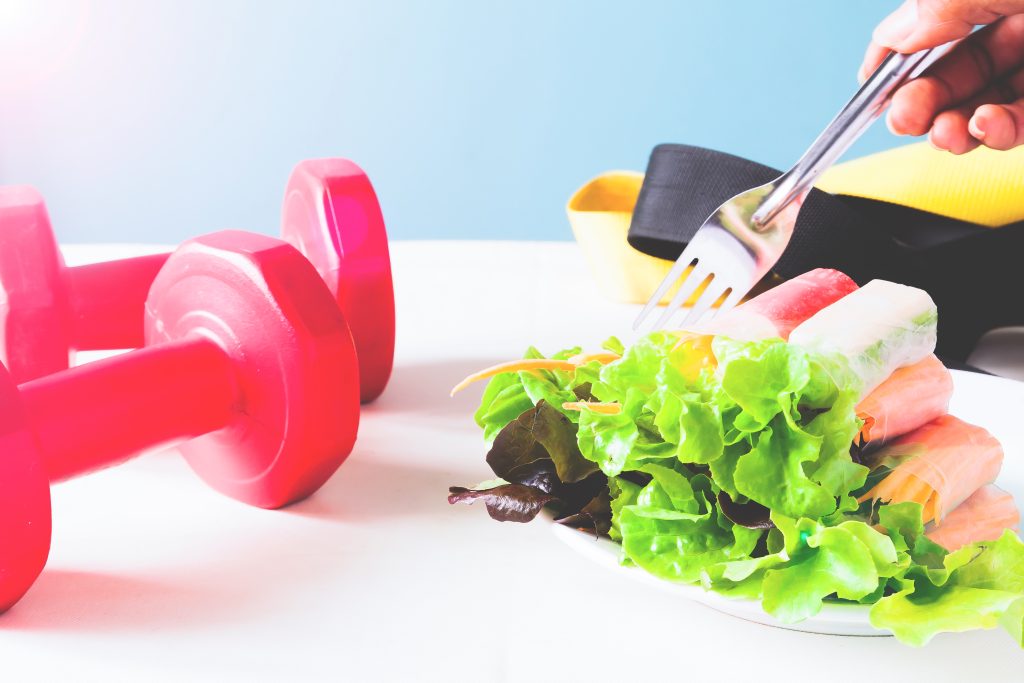
These nutrients are what you need in your diet to keep improving your physical fitness and overall health. If you’re not eating the right foods to help your muscles recover, over time it’ll start to tell.
Protein
Protein is a big deal in repairing muscle; it contains acids that make up the building blocks of muscle tissue that are needed to rebuild and strengthen muscle fibers. This is something that chips and cookies can’t do for you. So, eating protein as a part of your <a href="https://medspurs.com/category/food-and-nutrition/” class=”il-link”>nutrition for muscle recovery and soreness relief is a great plan. Eating an adequate amount of protein, like around 1.6 to 2.2 grams per kg of body weight per day, is a very effective method.
Carbohydrates
You need carbs for energy and to support the repair of your muscles after an intense exercise. Carbohydrates are the main source of energy for your muscles. After exercising, your glycogen stores would be used up; that’s why you need to eat your carbs to fill up these stores. Which would result in your muscles being provided with energy for the repair of the muscles.
Healthy fats
Even though they’re often shunned, healthy fats also play a part in the recovery of the muscle. They help with hormone production, like testosterone, which is important for muscle growth and repair. Healthy fats like omega-3 fatty acids contain anti-inflammatory compounds that can help reduce muscle soreness. So, if you’re always shying away from healthy fats, it’s time you stopped.
Electrolytes
It’s like hydrating your body in style. Electrolytes are important for maintaining proper hydration and improving the functioning of your muscles. Foods like bananas, dates, and coconut water are rich in electrolytes. So, include them in your diet, as a part of your nutrition for muscle recovery and to aid soreness.
Water
Hydrating helps with muscle recovery as well. Water is highly important for many functions, including moving nutrients to your muscles, removing waste products, and takes care of your body healthy. Dehydration can worsen muscle soreness and weaken the recovery process. So, drink your water because it is LIFE.
<h2 class="wp-block-heading alignwide" id="we-re-a-studio-in-berlin-with-an-international-practice-in-architecture-urban-planning-and-interior-design-we-believe-in-sharing-knowledge-and-promoting-dialogue-to-increase-the-creative-potential-of-collaboration” style=”font-size:48px;line-height:1.1″>Foods To Eat For Muscle Recovery And Soreness Relief1 . Lean proteins, like chicken, fish, meats, eggs, tuna, dairy products, and plant-based protein such as beans, tofu, and lentils, should be included in your meals. Also, try to eat a protein-rich meal or shake within an hour or two after your workout.
2 . Eat foods that are rich in carbohydrates, whole grains, fruits, sweet potatoes, yams, and beans.
3 . Buy foods that contain healthy fats like avocados, nuts and seeds, olive oil, dark chocolate, and fatty fish.
High-antioxidant foods like berries, spinach, and bell peppers shouldn’t be skipped from your shopping list. They’re also good for your body, including your muscles.
You can also take supplements, but be mindful of how you take them and if your doctor says you can. Protein, Creatine, branched-chain amino acids (BCCAs) may support muscle recovery and reduce soreness.
Food and water support recovery, but sleep is where the majority of muscle repair actually happens. During deep sleep, your body releases the highest concentrations of growth hormone it produces in a 24-hour period. Growth hormone is the primary signal that drives muscle protein synthesis and tissue repair. Consistently sleeping fewer than seven hours per night significantly reduces this hormonal output and undermines the benefit of even the best post-workout nutrition.
This means that the patient who eats perfectly after training but sleeps five hours a night will recover more slowly and build less muscle than one who eats reasonably and sleeps eight hours. If you are serious about recovery, protect your sleep as seriously as you protect your nutrition.
📋 Table of Contents
Tips For Reducing Muscle Soreness
- Stretch after every workout. Stretching and foam rolling can increase flexibility and reduce tension in your muscles.
- Drink water, just enough every single day
- Get enough rest. Adequate rest, including good sleep, is important for muscle growth and strength.
The Bottom Line
Good nutrition is important for muscle recovery and soreness relief. Regularly eat healthy foods, like your protein, carbs, healthy fats, drink your water, electrolytes, and keep improving yourself.
FAQs
Do I still need to eat for muscle recovery if my workouts aren’t intense?
Yes, you still need to eat your carbs and protein after working out. Even if your workouts aren’t intense, what you eat afterwards and throughout your routine still matters. The only thing that might be different is the amount you eat, because everyone is different. And the intensity of your exercise routine can influence the amount of macronutrients you can eat.
Can I have a burger after working out?
You can, but you can also have healthy burgers. It’s even better when you make them at home, so you can control the ingredients and portions. But it’s not a crime if you have a burger from your favorite fast food joint, after going to the gym, just be mindful of the portion and how regularly you eat them. So, as long as you regularly have a balanced diet, it’s okay to indulge yourself sometimes.
When to See a Doctor
Consult a healthcare provider if symptoms persist for more than two weeks or interfere with daily activities.
