
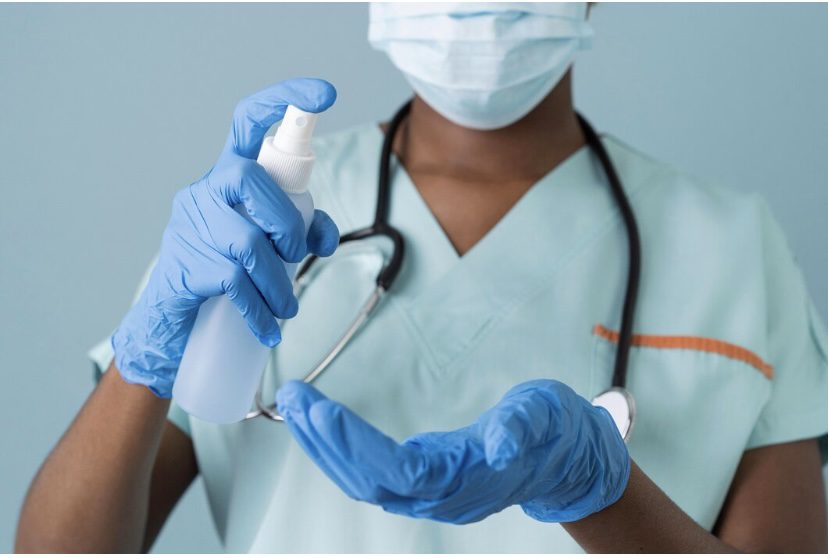
Most people assume hospitals are the safest places for sick people. In many ways they are, but they’re also environments where dangerous infections can spread, and where some of the most resistant bacteria in the world are concentrated.
What are hospital-acquired infections?
HAIs are infections you can get in health care places like
- Hospitals
- Clinics
- And even at home during health care
Why they’re becoming more dangerous (antibiotic resistance)
HAIs are not only common, they’re increasingly hard to treat. Many are caused by bacteria like MRSA (methicillin-resistant Staphylococcus aureus) that have developed resistance to standard antibiotics. This means that when these infections occur, treatment options are fewer and outcomes can be worse.
This is a direct result of decades of antibiotic overuse across healthcare systems. You cannot fix antibiotic resistance, but you can protect yourself from acquiring these infections in the first place, which is why prevention matters so much.
Common types of hospital-acquired infections
According to studies, common hospital-acquired infections are:
- Central line-associated bloodstream infections (CLABSIs)
- Catheter urinary tract infections (CAUTIs)
- Surgical site infections
- Ventilator-associated pneumonia
- And Clostridium difficile infections
Preventing hospital-acquired infections in the clinic or hospital
Clean your hands
Use soap and water to wash your hands for 20 seconds, especially before and after you touch a patient’s wound.
Or any medical equipment.
If soap and water aren’t available, then you can use an alcohol-based sanitizer.
- It should have at least 60 percent alcohol in it.
Don’t ever leave your hands unwashed.
Be mindful of touches
Before someone touches you, ask if they’ve washed their hands. It doesn’t matter if it’s a doctor or nurse, you have every right to feel safe.
Be careful with surfaces
Mind what you touch. Use a tissue or paper towel to,
- Open doors
- Press elevator buttons
- Or equipment shared by others
Protect yourself
Use things like gloves, masks, and gowns when you’re with patients or on contaminated surfaces.
Take care of wounds properly
Properly take care of wounds by making sure they’re clean, dry, and covered, so bacteria won’t grow.
Reduce visitation
Other <a href="https://medspurs.com/category/top-tips/” class=”il-link”>tips
Use UV-light devices to disinfect equipment and surfaces.
- Especially in places that could be infected.
Try essential oils that have antimicrobial properties, that can help prevent infections.
- Like, tea tree oil.
Preventing hospital-acquired infections at home
1 . Clean your hands well once you get back from the hospital or clinic.
- Or any other public place.
2 . Clean bed linens, towels, or clothing used by someone who’s been to the hospital, in hot water with detergent.
- You can use bleach if it’s safe for them.
3 . Find out from your doctor if you can take probiotics while under medications like antibiotics.
- Antibiotics can disrupt good bacteria in your body, which may increase your risk of infections.
4 . Clean places where medical procedures are done.
5 . Throw away things like needles and gloves that were used to treat someone.
6 . Don’t allow too many visitors when you’re still trying to recover, as it will help reduce the risk of infections being introduced to your home..
And if you do have some visitors, tell them to follow good hand hygiene.
