
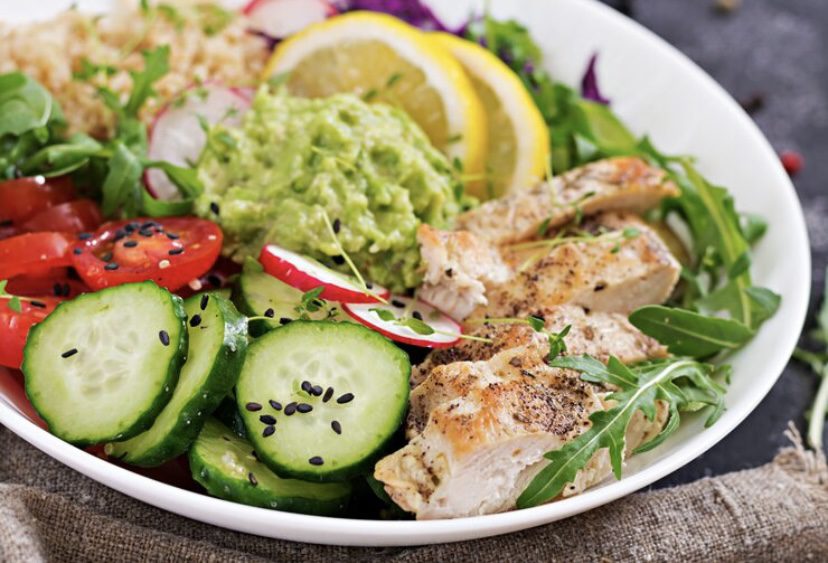
A low-carb diet reduces carbohydrate intake, such as bread, pasta, rice, sugar, and starchy vegetables, and replaces those calories with proteins, healthy fats, and non-starchy vegetables. For many people, this approach helps with fat loss, better blood sugar control, and reduced hunger. But there are important things to understand before you start.
<h2 class="wp-block-heading" id="what-is-a-low-carb-<a href="https://medspurs.com/category/food-and-<a href="https://medspurs.com/category/food-and-nutrition/” class=”il-link”>nutrition/” class=”il-link”>diet”>How Does a Low-Carb Diet Work for Fat Loss?Reducing carbohydrates first depletes glycogen stores, causing water loss initially. When glycogen is low, the body switches to burning fat for energy. High protein and fat increase fullness, reduce hunger, and improve blood sugar regulation. For people with diabetes, low-carb diets may help manage blood sugar better.
The low-carb flu: what it is and why it happens
During the first few days of a low-carb diet, many people experience fatigue, headaches, brain fog, irritability, muscle cramps, and difficulty concentrating. This is sometimes called the low-carb flu or keto flu.
It happens because reducing carbohydrates causes your kidneys to excrete more sodium, which pulls water and other electrolytes, particularly potassium and magnesium, out of your body. This electrolyte imbalance causes most of the unpleasant symptoms.
It is temporary.
For most people, it resolves within five to ten days as the body adapts. To manage it, increase your intake of sodium through salted food or stock, potassium through avocado, spinach, and courgette, and magnesium through nuts, seeds, and dark leafy greens. Drink plenty of water. The symptoms are not a sign that the diet is harming you. They are a sign that your body is adjusting.
<h2 class="wp-block-heading" id="foods-you-can-eat-on-a-low-carb-diet-for-fat-loss”>Foods You Can Eat on a Low-Carb Diet for Fat Loss- Proteins: Beef, chicken, fish, eggs, pork
- Healthy Fats: Nuts, avocados, seeds, olive oil
- Vegetables: Broccoli, spinach, asparagus, cauliflower
- Fruits: Berries, apples, oranges
- Dairy: Greek yogurt, cheese
How to Use a Low-Carb Diet for Fat Loss
- Increase fiber intake via vegetables, nuts, and seeds for digestive health.
- Combine with intermittent fasting, such as skipping meals a few days weekly.
- Increase electrolyte consumption (potassium, sodium, magnesium) to offset losses from reduced carbs.
Are There Any Not-So-Nice Things About Low-Carb Diets?
Low energy symptoms can occur: fatigue, weakness, brain fog, headaches, muscle cramps, and bloating due to low fiber.
Things to Consider
Weight loss benefits are similar to other diets; key components include calorie management, portion control, nutritious meals, hydration, and adequate sleep. Exercise significantly enhances outcomes.
Some Simple Low-Carb Meal Ideas
- Soups: Low-carb veggies with chicken, fish, and healthy fats
- Protein Salads: Chicken, salmon, or tofu with avocado and nuts
- Grilled Meats and Vegetables: Chicken, fish, or beef with roasted cauliflower, broccoli, or sprouts
