
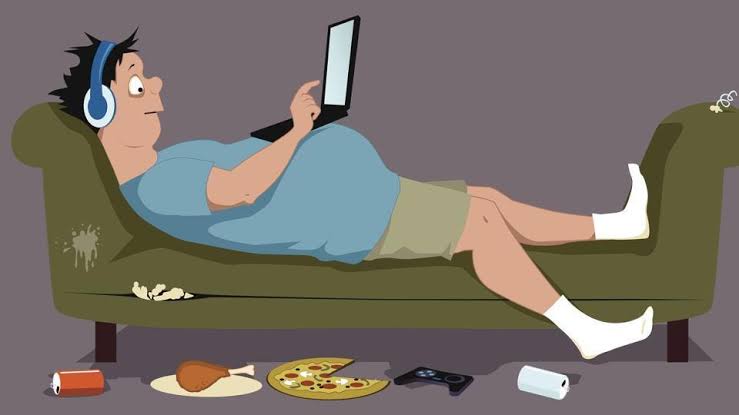
A sedentary lifestyle is a way of living that involves little or no physical activity. It means sitting or lying down for most of the day, with minimal walking, standing, or moving around. A sedentary lifestyle can have serious consequences for your health, both physical and mental.
What Is a Sedentary Lifestyle?
According to the World <a href="https://medspurs.com/category/<a href="https://medspurs.com/category/<a href="https://medspurs.com/category/health/” class=”il-link”>health/” class=”il-link”>health/” class=”il-link”>Health Organization (WHO), a sedentary lifestyle is one of the major risk factors for noncommunicable diseases, such as cardiovascular diseases, diabetes, cancer, and obesity. A sedentary lifestyle is any activity that uses less than 1.5 metabolic equivalents (METs) of energy, which is equivalent to sitting or lying down. Examples of sedentary activities include:
- Watching TV, playing video games, or using a computer or phone for long periods.
- Reading, studying, or working at a desk or table.
- Driving, riding, or taking public transport.
- Sleeping or resting for more than the recommended hours.
The WHO recommends that adults should do at least 150 minutes of moderate-intensity physical activity, or 75 minutes of vigorous-intensity physical activity, or a combination of both, per week. mental-health/”>Physical activity is any activity that uses more than 3 METs of energy, which is equivalent to brisk walking or cycling. Examples of physical activities include:
- Walking, jogging, running, or hiking.
- Swimming, dancing, or playing sports.
- Gardening, cleaning, or doing household chores.
- Climbing stairs, lifting weights, or doing yoga.
Why Is a Sedentary Lifestyle Bad for You?
- Obesity: it can lead to weight gain, as you burn fewer calories than you consume. Obesity can increase the risk of diabetes, heart disease, stroke, and some cancers.
- Diabetes: it can affect the body’s ability to regulate blood sugar levels, which can cause insulin resistance and type 2 diabetes.
- Cardiovascular disease: it can increase blood pressure, cholesterol, and triglyceride levels, which can damage the blood vessels and the heart. This can lead to heart attack, stroke, and heart failure.
- Cancer: it can increase inflammation, oxidative stress, and hormone levels, which can affect the growth and spread of cancer cells. Some of the cancers linked to a sedentary lifestyle are colon, breast, endometrial, and lung cancer.
- Mental health: it can affect your mood, cognition, and memory, as well as increase the risk of depression, anxiety, and dementia. Physical activity can stimulate the production of endorphins, serotonin, and dopamine, which are neurotransmitters that regulate mood, motivation, and pleasure.
How Can I Change My Sedentary Lifestyle?
Changing a sedentary lifestyle can be challenging, but not impossible. Here are some tips to help:
- Set realistic and specific goals: Start with small and achievable steps, such as walking for 10 minutes a day, or taking the stairs instead of the elevator. Gradually increase the duration, frequency, and intensity of your physical activity, as you become more comfortable and confident.
- Find an activity that you enjoy: Choose something that suits your preferences, abilities, and schedule. You can try different types of activities, such as sports, dance, martial arts, or yoga. You can also join a class, a club, or a team, to make it more fun and social.
- Make it a habit: Try to add physical activity into your daily routine, such as in the morning, during lunch break, or after work. You can also use reminders, such as alarms, calendars, or apps, to help you stay on track. Reward yourself for your progress, such as with a treat, a compliment, or a new outfit.
- Reduce your screen time: Limit the time you spend on watching TV, playing video games, or using a computer or phone for leisure. You can set a timer, use parental controls, or turn off the devices at a certain hour. You can also replace some of your screen time with other activities, such as reading, playing an instrument, or doing a hobby.
- Break up your sitting time: Avoid sitting or lying down for more than an hour at a time. You can stand up, stretch, or walk around every 15 to 30 minutes. You can also use a standing desk, a balance board, or a fitness ball, to keep your muscles active while working or studying.
The Key Takeaway.
A sedentary lifestyle can have serious consequences for your health, both physical and mental. But, you can change it. By becoming more physically active, you can improve your well-being, prevent chronic diseases, and live a longer and happier life.
FAQs On Sedentary Lifestyle.
A sedentary lifestyle can reduce the blood flow and oxygen to the brain, which can affect its function and structure. It can also lower the levels of brain-derived neurotrophic factor (BDNF), a protein that supports the growth and survival of neurons. A sedentary lifestyle can increase the risk of cognitive decline, dementia, and Alzheimer’s disease.
A sedentary lifestyle can weaken the immune system, making it less able to fight off infections and diseases. It can also increase the levels of inflammation and oxidative stress, which can damage the cells and tissues of the body. A sedentary lifestyle can increase the risk of infections, autoimmune diseases, and cancer.
A sedentary lifestyle can reduce the density and strength of the bones, making them more prone to fractures and osteoporosis. It can also cause the loss of muscle mass and tone, which can affect the balance, posture, and mobility. A sedentary lifestyle can increase the risk of falls, injuries, and chronic pain.
A sedentary lifestyle can slow down the movement of <a href="https://medspurs.com/category/food-and-nutrition/” class=”il-link”>food and waste through the digestive tract, which can cause constipation, bloating, and gas. It can also affect the balance of bacteria in the gut, which can affect the digestion and absorption of nutrients. A sedentary lifestyle can increase the risk of gastrointestinal disorders, such as irritable bowel syndrome, diverticulitis, and colon cancer.
A sedentary lifestyle can affect the hormones and fertility of both men and women. It can lower the levels of testosterone and sperm quality in men, and it can disrupt the menstrual cycle and ovulation in women. It can also increase the risk of erectile dysfunction, infertility, polycystic ovary syndrome, and endometriosis.
A sedentary lifestyle can affect the appearance and health of the skin. It can reduce the blood circulation and oxygen delivery to the skin, which can affect its elasticity, hydration, and healing. It can also increase the exposure to ultraviolet radiation and pollutants, which can cause oxidative damage and premature aging. A sedentary lifestyle can increase the risk of skin problems, such as acne, eczema, psoriasis, and skin cancer.
<!– wp:structured-content/faq-item {"question":"How does a sedentary lifestyle affect the mood and mental health?”} –>A sedentary lifestyle can affect the mood and mental health of a person. It can reduce the production and release of neurotransmitters, such as serotonin, dopamine, and endorphins, which can regulate the mood, motivation, and pleasure. It can also increase the levels of cortisol, a stress hormone, which can affect the sleep, appetite, and memory. A sedentary lifestyle can increase the risk of depression, anxiety, and other mental disorders.
Bottom Line
Always consult a qualified healthcare provider for personalized advice. Early detection and proper management are key to maintaining good health.
When to See a Doctor
Consult a healthcare provider if symptoms persist for more than two weeks or interfere with daily activities.
